Frequently Asked Questions

Everything You Need to Know
Before You Ship

Answers to the most common questions about pricing, insurance, carrier selection, pickup windows, and how the process works.

Licensed Broker
Carrier vetting before dispatch
Insurance Verified
Carrier coverage checked
Nationwide Routes
48 contiguous states
Human Support
Phone, email, and chat
Clear Windows
Pickup and delivery guidance

Pricing & Costs

Pricing depends on distance, vehicle type, open or enclosed transport, pickup flexibility, operability, and current carrier availability. Typical cross-country shipments range from $800–$1,500. ADL reviews each route before presenting the quote — no hidden fees, ever.
ADL's payment structure is explained before you book. Typically a deposit is collected at booking and the remaining balance is due at delivery — paid directly to the carrier by cash or certified funds. Your coordinator will walk you through the exact terms before anything is dispatched.
No. The quote ADL presents is the full price for the service described. If anything changes — route, vehicle type, transport method — your coordinator will update the quote before dispatch. You will never be surprised at delivery.
Yes. Enclosed transport typically costs 30–50% more than open transport on the same route. The premium reflects the added protection, fewer vehicles per load, specialized equipment, and higher carrier insurance limits. For luxury, exotic, or classic vehicles, most owners consider it well worth it.

Process & Timing

Booking 5–7 days before your desired pickup date gives the best carrier availability and pricing. Last-minute bookings are possible — ADL offers expedited dispatch on qualifying routes — but flexibility on pickup date generally results in better options and lower cost.
Transit times depend on distance. Short routes under 500 miles typically take 1–3 days. Mid-range routes of 500–1,500 miles take 3–6 days. Cross-country shipments of 2,000+ miles generally take 7–10 days. Expedited options are available for faster pickup on qualifying routes.
Delays can happen due to weather, traffic, or route changes. Your ADL coordinator monitors active shipments and will notify you of any significant changes to the pickup or delivery window. All pickup and delivery dates are given as windows, not guaranteed exact times — this is standard across the industry and explained before booking.
The Bill of Lading is the official condition report signed at both pickup and delivery. It documents the vehicle's condition before transport and serves as the legal record for any damage claims. Always review it carefully and note any pre-existing or new damage before signing at delivery — never sign a blank or incomplete Bill of Lading.

Transport Types

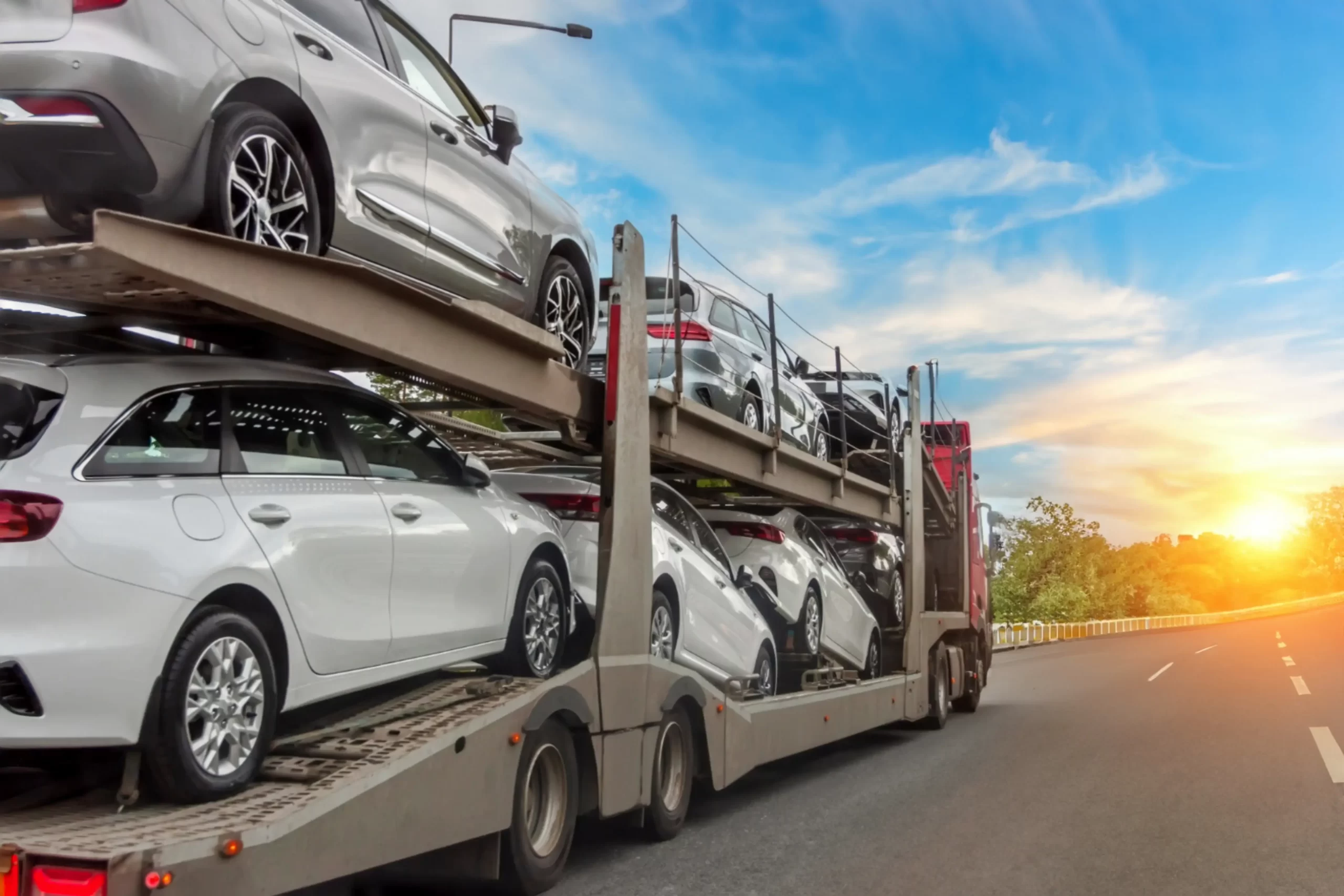
Open transport loads your vehicle onto an open multi-car carrier — the most common and affordable method, used for the vast majority of shipments. Your vehicle is exposed to weather and road elements but is secured and safe for standard vehicles.

Enclosed transport places your vehicle inside a fully covered trailer, protecting it from weather, road debris, and UV exposure. Enclosed carriers typically carry fewer vehicles per load, use soft tie-downs, and offer lift-gate loading for low-clearance vehicles. Ideal for luxury, exotic, classic, or high-value vehicles.
Expedited shipping prioritizes your vehicle for the next available carrier on your route, typically resulting in pickup within 24–48 hours. It carries a premium over standard booking but is ideal when timing is critical — job starts, military report dates, or last-minute purchases.
For most everyday vehicles — sedans, SUVs, trucks — open transport is the right choice. It's safe, affordable, and widely available. For luxury, exotic, classic, or low-clearance vehicles, enclosed transport is strongly recommended. If you're unsure, select "Help Me Choose" on the quote form and a specialist will recommend the best option for your specific vehicle.

Insurance & Carriers

Carriers are required by law to carry cargo insurance. ADL verifies each carrier's insurance before dispatch and can explain coverage details before you book. For high-value vehicles, coverage limits are confirmed to be appropriate for the declared vehicle value before anything is dispatched.
ADL vets carriers for FMCSA compliance, active operating authority, valid cargo insurance, and route availability before dispatch. Carriers are matched to your specific vehicle type and route — a carrier hauling standard sedans on open transport is different from one equipped for low-clearance exotics on enclosed. Nothing is dispatched until the right fit is confirmed.
If damage occurs during transport, it must be noted on the Bill of Lading at delivery before the carrier leaves — this is critical. Damage noted after the carrier departs is significantly harder to claim. ADL will assist you in working with the carrier's insurance to file and follow up on a claim. This is why thorough pre-transport photos and careful inspection at delivery are so important.

Vehicle & Pickup

Yes, but non-running vehicles require the right carrier equipment. The quote form captures whether the vehicle rolls, steers, and brakes, or whether a winch is needed. This ensures the matched carrier arrives prepared — attempting to load a non-running vehicle without the right equipment causes delays and potential damage.
Usually yes. An authorized representative — a family member, lot manager, or trusted contact — can handle pickup or delivery if they can inspect the vehicle and sign the Bill of Lading. Let your coordinator know who to expect at each end before dispatch so the carrier has the right contact information.
You may leave up to 100 lbs of personal belongings in the trunk, kept below the window line. These items are not covered by cargo insurance and are transported at your own risk. Remove all valuables and keep the interior clear for the inspection process at pickup.
Keep the fuel tank at a quarter full or less, remove personal valuables, take photos of all sides before pickup, disable aftermarket alarms, remove or cover toll transponders, and confirm who will be present to sign the Bill of Lading. Note any pre-existing damage to your coordinator in advance.

Working with ADL

A broker coordinates your shipment through a carrier network, vets carrier fit, checks insurance, explains pickup and delivery windows, and manages communication through delivery. ADL does not own the trucks — instead, we maintain relationships with thousands of vetted carriers nationwide and match your vehicle to the right one for your specific route and requirements.
Yes. ADL Logistics is a fully licensed auto transport broker registered with the USDOT and FMCSA. We are bonded and operate in compliance with all federal regulations governing vehicle transport brokerage. You can verify our licensing status at any time through the FMCSA's public database.
Once your order is confirmed, you'll be connected with a dedicated transport coordinator. You can reach them by phone at (954) 888-8633 or via live chat on the site. Support is available 7 days a week.
Yes. ADL works with dealerships, fleet operators, and repeat business customers on an account basis. Volume, route consistency, and scheduling flexibility all factor into what ADL can offer. The best way to start is to submit your first shipment and let your coordinator know you're looking for an ongoing business arrangement.

Still have questions?

Our team is available 7 days a week by phone, email, or chat.

Ready When You Are

Get a Quote in
Under 60 Seconds

Tell ADL where the vehicle is, where it needs to go, and what matters most: budget, timing, protection, or business volume.

Secure quote request. No account required. No spam, ever.

Get Quote
Call Now