Deciding between open and enclosed car shipping? Compare real price differences, protection levels, and figure out which option makes the most sense for your vehicle.
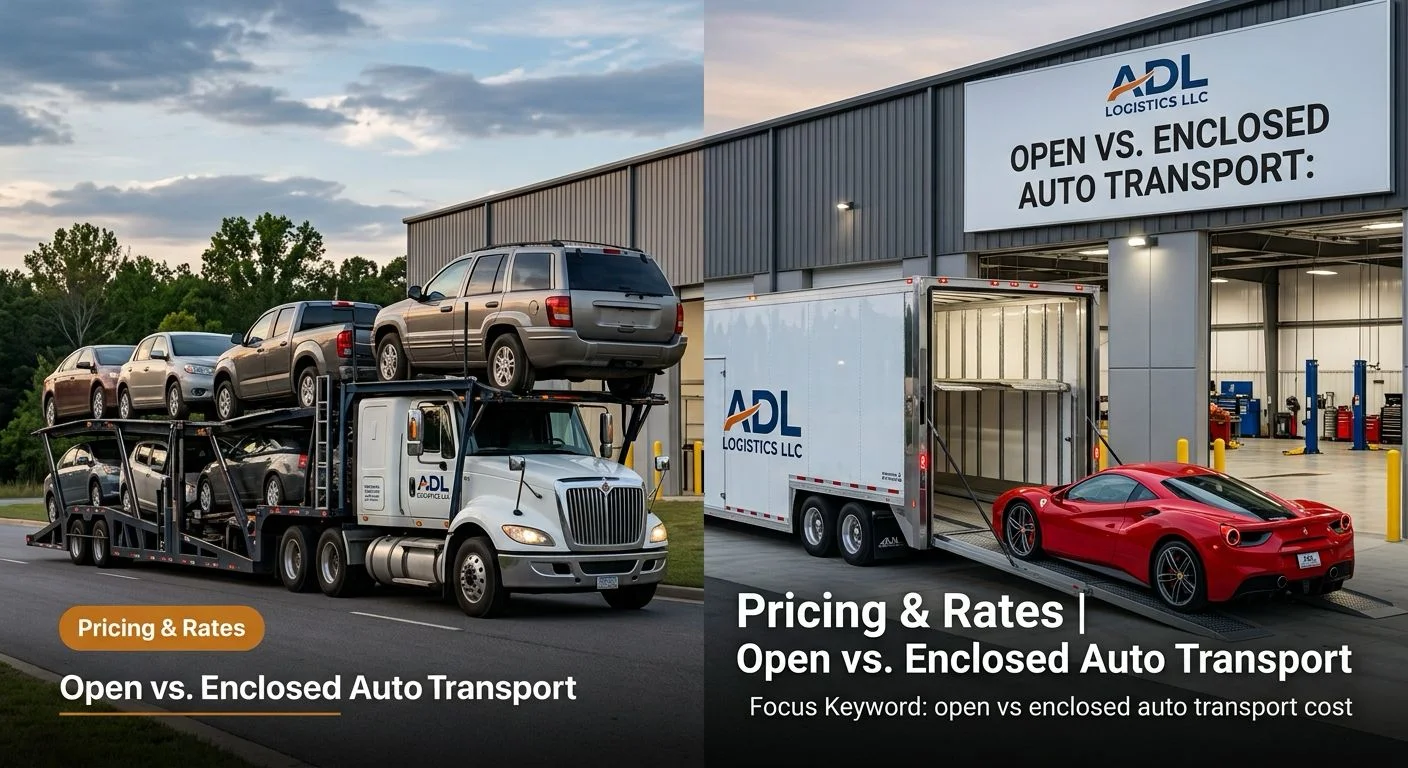
When booking car shipping, one of the biggest choices affecting your total price is selecting between Open and Enclosed transport.
While open transport is the industry standard for everyday vehicles, enclosed shipping offers maximum protection for high-value assets—at a premium price. Understanding how these two methods compare in cost, availability, and vehicle safety will help you choose the right service without overpaying.
Cost Comparison: How Much More Is Enclosed Transport?
On average, enclosed auto transport costs 30% to 50% more than open transport. The exact price gap depends heavily on the route, seasonal demand, and vehicle size.
| Route Distance | Open Transport (Average) | Enclosed Transport (Average) | Cost Difference |
|---|---|---|---|
| Short (< 500 mi) | $500 – $750 | $700 – $1,050 | +$200 – $300 |
| Medium (500 – 1,500 mi) | $850 – $1,250 | $1,200 – $1,750 | +$350 – $500 |
| Long (1,500+ mi) | $1,200 – $1,800 | $1,700 – $2,600+ | +$500 – $800+ |
What Drives the Price Difference?
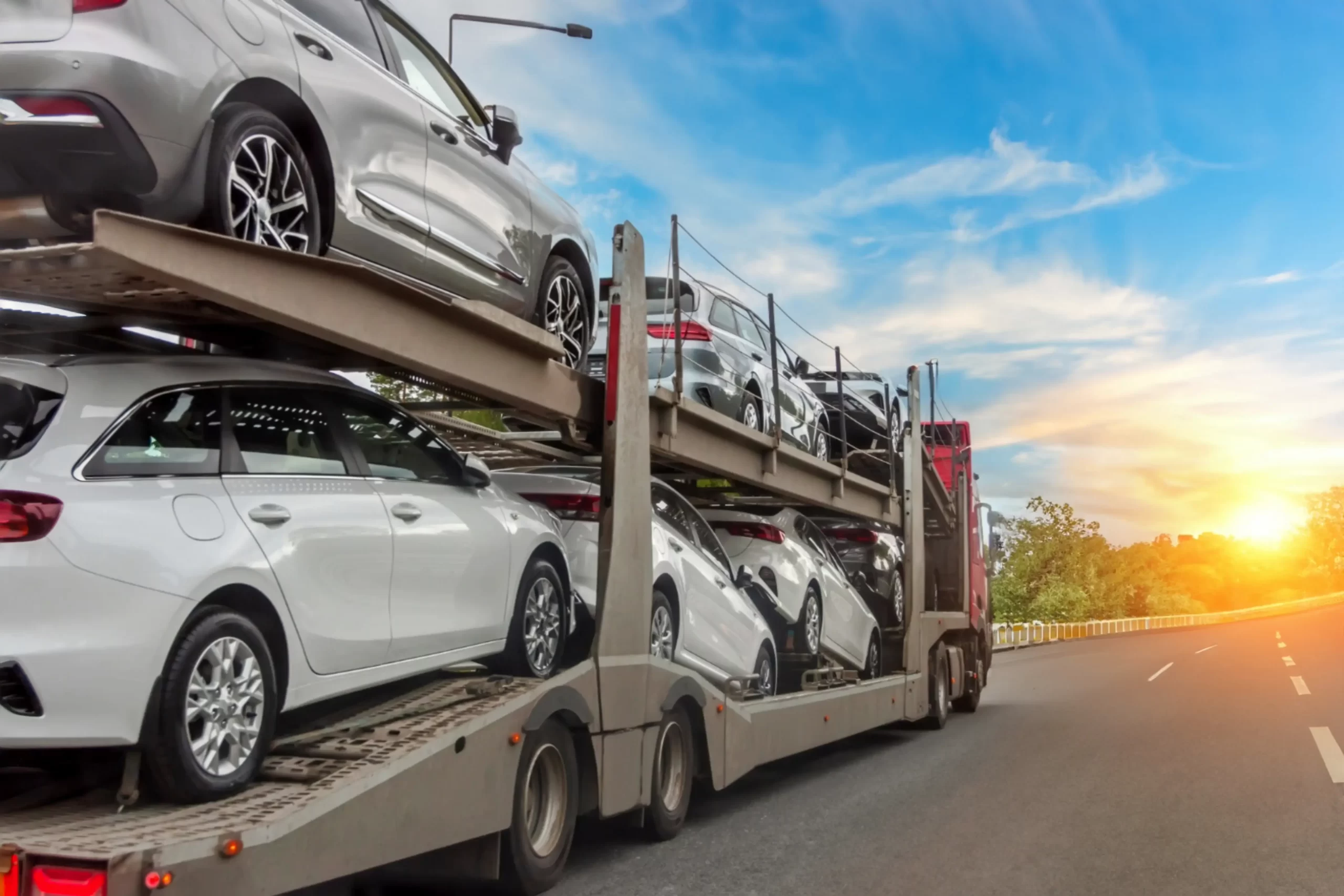
- Trailer Capacity: Open carriers can haul 8 to 10 vehicles at a time, allowing drivers to split fuel and road costs across multiple cars. Enclosed carriers typically haul only 2 to 6 cars per trip.
- Specialized Equipment: Enclosed trailers feature hydraulic liftgates for low-clearance vehicles, custom tie-down systems, and climate/dust control options.
- Higher Cargo Insurance Limits: Enclosed carriers carry significantly higher cargo insurance policies to protect high-value exotic and vintage loads.
When Should You Choose Open Transport?
Open transport accounts for roughly 90% of all vehicle shipments nationwide. It is safe, efficient, and cost-effective.
- Best For: Daily drivers, standard sedans, SUVs, trucks, leased vehicles, and used cars.
- Pros: Lowest cost, highest carrier availability, flexible scheduling, and fast dispatch.
- Cons: Vehicle is exposed to weather and road grime during transit (similar to driving on the highway).
When Is Enclosed Transport Worth the Extra Cost?
If your vehicle requires extra protection or has unique physical limitations, enclosed transport is a necessary investment.
- Best For: Exotic supercars, classic/vintage automobiles, custom hot rods, vehicles with low ground clearance (< 5 inches), or high-value luxury models.
- Pros: 100% protection from weather, rocks, dust, and road debris; soft-tie straps that don't touch paintwork; liftgate loading.
- Cons: Higher price point, lower carrier availability on secondary routes, slightly longer scheduling lead times.
Get an Accurate Quote for Your Vehicle
Choosing between open and enclosed transport comes down to your budget and the level of protection your car requires. At ADL Logistics LLC, we provide clear, upfront quotes for both open and enclosed options so you can make the right decision for your shipment.
Request a Custom QuoteWritten by
ADL Logistics Team
ADL Logistics — Auto Transport Specialists
Published
Sep 22, 2026
3 weeks ago